
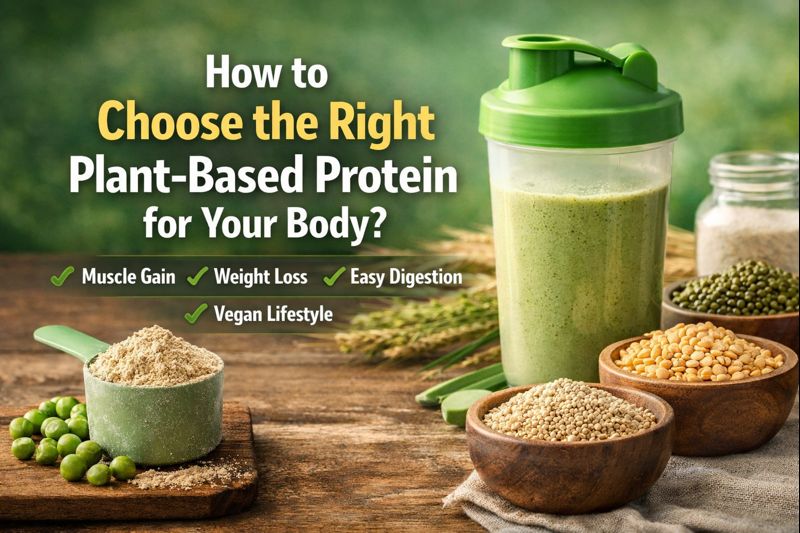
The right plant-based protein for your body depends on your goal (muscle gain, weight loss, or general health), how well you digest protein, and the quality of ingredients. For most people worldwide, a clean, easy-to-digest vegan protein blend or sprouted plant protein delivers the best results long term.
As a supplement specialist working with customers across different regions, climates, and fitness levels, this guide explains exactly how to choose the right plant-based protein—without confusion, hype, or marketing tricks.
What Is Plant-Based Protein?
Plant-based protein is protein derived entirely from plants such as peas, brown rice, hemp, pumpkin seeds, or soy. It’s commonly used as a powder to support:
- Muscle recovery
- Fat loss
- Daily nutrition
- Dairy-free or vegan lifestyles
Unlike whey protein, plant-based protein is lactose-free, dairy-free, and often easier on digestion for many people.
Why Choosing the Right Plant-Based Protein Matters
Not all vegan proteins work the same way in the body.
What the Right Protein Does
- Helps repair and build muscle
- Keeps you full longer
- Supports metabolism and energy
- Improves workout recovery
What the Wrong Protein Causes
- Bloating or gas
- Poor muscle recovery
- Low energy
- Wasted money on low-quality supplements
Many beginners choose protein based only on flavor or price, then quit after digestive discomfort. Ingredient quality matters more than taste.
How to Choose the Right Plant-Based Protein for Your Body?
1. Choose Based on Your Goal
Plant-Based Protein for Muscle Gain
If your goal is muscle building, look for:
- 20–25g protein per serving
- High leucine content
- Complete amino acid profile
Best options:
- Pea protein
- Pea + rice protein blends
👉 Yes, vegans can build muscle without whey when total protein intake is sufficient.
Plant-Based Protein for Weight Loss
For fat loss, choose:
- Low sugar
- Low carb
- No fillers
- High satiety
Protein helps control hunger and preserves lean muscle while dieting.
Plant-Based Protein for General Health
If you’re focused on overall wellness:
- Clean ingredient list
- Easy digestion
- Moderate protein per serving
Which Plant-Based Protein Is Easiest to Digest?
Digestibility is one of the most important factors—especially in warmer climates or for people with sensitive stomachs.
Easiest-to-Digest Plant Proteins
- Pea protein isolate
- Rice protein
- Sprouted plant proteins
Sprouting improves nutrient absorption and reduces compounds that cause bloating.
If digestion is a priority for you, this sprouted vegan protein powder review explains why sprouted formulas are often gentler and better tolerated:
👉 https://nutroplanet.com/sprouts-vegan-protein-powder-review/
Proteins to Be Careful With
- Heavy gums and thickeners
- Artificial sweeteners
- Excess fiber
What Plant-Based Protein Has All Essential Amino Acids?
A complete protein contains all 9 essential amino acids your body cannot produce on its own.
Complete Plant-Based Protein Options
- Soy protein (complete on its own)
- Pea + rice protein (complete together)
- Multi-plant blends
If you prefer soy-free vegan protein, a pea-rice blend is the best alternative.
Is Soy-Free Vegan Protein Effective?
Yes—soy-free vegan protein is highly effective.
Many people avoid soy due to:
- Allergies
- Hormonal concerns
- Personal preference
Modern soy-free blends still deliver:
- Complete amino acids
- Excellent muscle recovery
- Easy digestion
Plant-Based Protein vs Whey: Which Is Better?
Plant-based protein is a popular choice for people who want a gentler, lactose-free option that supports muscle growth without digestive discomfort. Because it is made from plant sources such as peas, rice, and seeds, it is easier to tolerate for many individuals, especially those who experience bloating or sensitivity to dairy. Plant-based protein also aligns with ethical, vegan, and clean-eating lifestyles, while still providing the essential amino acids needed for muscle repair and overall health when consumed in proper amounts.
Whey protein, on the other hand, is a dairy-derived protein that is quickly absorbed and widely used for muscle building. While it is effective for strength and recovery, it may cause bloating or digestive issues for people who are lactose intolerant or sensitive to dairy. Whey is not suitable for vegan diets and may not be ideal for long-term use in individuals who prefer clean, plant-based nutrition. Ultimately, both proteins can support muscle growth, but the better option depends on how your body reacts, your digestion, and your dietary values.
If whey causes bloating, acne, or discomfort, plant-based protein is often the better long-term choice.
How Much Plant-Based Protein Should You Take Daily?
Daily Protein Guidelines
- Sedentary adults: 0.8 g/kg
- Active individuals: 1.2–1.6 g/kg
- Muscle gain: 1.6–2.2 g/kg
A 70 kg active person needs ~85–110 g protein per day (food + supplements).
When Should You Take Plant-Based Protein?
Best times to take plant-based protein:
- Post-workout (muscle recovery)
- Morning (reduce cravings)
- Between meals (meet daily intake)
For busy global lifestyles, protein shakes are convenient, portable, and consistent.
What Is the Cleanest Plant-Based Protein Powder?
A clean plant-based protein powder should have:
- Short ingredient list
- No artificial colors or sweeteners
- No unnecessary fillers
Sprouted and minimally processed proteins often rank highest for cleanliness and absorption. This is why many people switch to sprouted vegan protein powder after experiencing bloating with standard blends.
Cost of Plant-Based Protein
Average Price Ranges
- Budget: $20–30/month
- Mid-range (best value): $35–50
- Premium organic: $55+
Tip: Always check cost per serving, not just container price.
Choosing Plant-Based Protein Worldwide
People across regions have different needs:
Regional Considerations
- North America & Europe: Focus on clean labels and blends
- Asia & Middle East: Preference for lighter, digestible proteins
- Australia & New Zealand: Strong demand for organic options
Climate, diet, and lifestyle all affect digestion and protein tolerance.
Maintenance & Long-Term Use Tips
To use plant-based protein safely long term:
- Rotate protein sources
- Stay hydrated
- Don’t overconsume
- Combine with whole foods
Storage Tips
- Keep in a cool, dry place
- Seal properly after opening
- Avoid heat exposure during travel
When to Consult a Professional?
You should consult a nutrition professional if you:
- Have kidney conditions
- Are pregnant or breastfeeding
- Experience chronic digestive issues
- Are unsure about protein dosage
Why Choose Us for Plant-Based Protein Worldwide?
At NutroPlanet, we focus on:
- Clean, transparent ingredients
- Easy-to-digest formulas
- Honest education, not hype
- Products chosen for real-world results
We help you choose what works—not what’s trending.
👉 Looking for a clean, easy-to-digest plant-based protein?
Start with our in-depth sprouts vegan protein powder review and make an informed choice today:
https://nutroplanet.com/sprouts-vegan-protein-powder-review/